FTS x CONNECT: Passports to slow fashion

Why does the EU want to issue passports for physical products? 🤔
Because they could slow down fast fashion, boost our right to repair and help shoppers make more informed choices. 🙌
In this episode, Jenny and Elaine find out how digital product passports (DPPs) could revolutionise the life-cycle of everything from batteries to Bluetooth headsets to balloon pants (which are, unexpectedly, making a comeback).
In fact, batteries will be the first products to require DPPs by 2027, with other prioritised industries such as textiles and electronics following by 2030.
DPPs would be able to store data on the materials, origin and recyclability of these products. The idea is that we’ll be able to access this information via QR codes or NFC tags embedded in products, so anyone would be able to pick up a product and understand its life-cycle.
This is all part of the EU’s commitment to a circular economy, and its efforts to make all products sold in the EU sustainable and easier to repair. ♻️
While blockchain is a strong contender for the secure and reliable data storage this system will need, what we don’t want is to introduce something energy-intensive as a sustainability measure.
That’s why we need researchers looking at the best, most sustainable, way forward with DPPs. And we were delighted to get to speak to Dr Grace Walsh and Dr John Dooley from the CONNECT Research Ireland Centre for Future Networks and Communications about their work in this area.
This episode part of our mini series in partnership with CONNECT, where we’ll be speaking to their researchers about lots more tech at the intersection of science and society.
Check out the links below for some further reading on this topic, or find out more about CONNECT at ConnectCentre.ie and keep up with their research by subscribing to their newsletter. 📧
 Borgar Hestad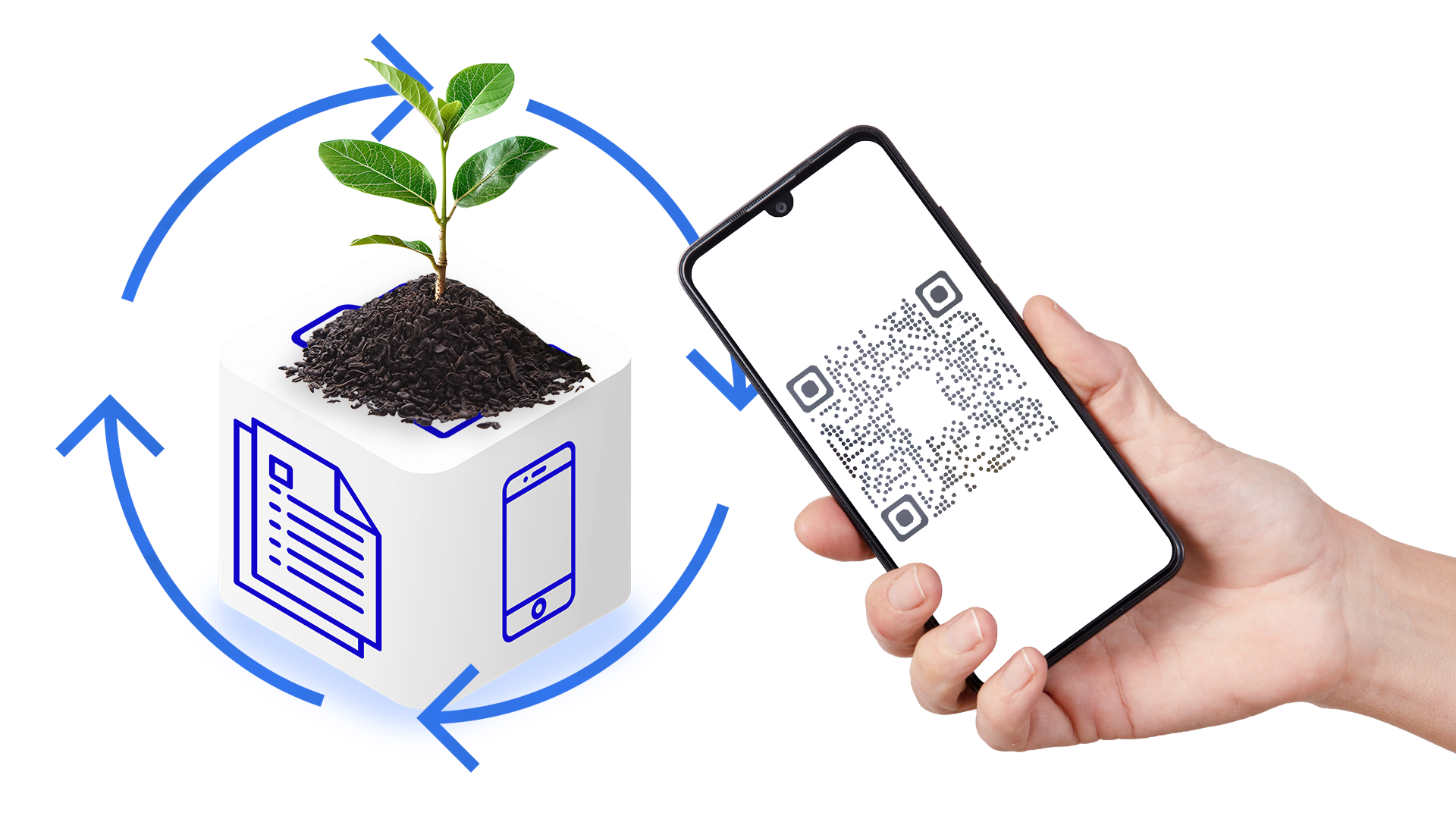
 Rachel Douglass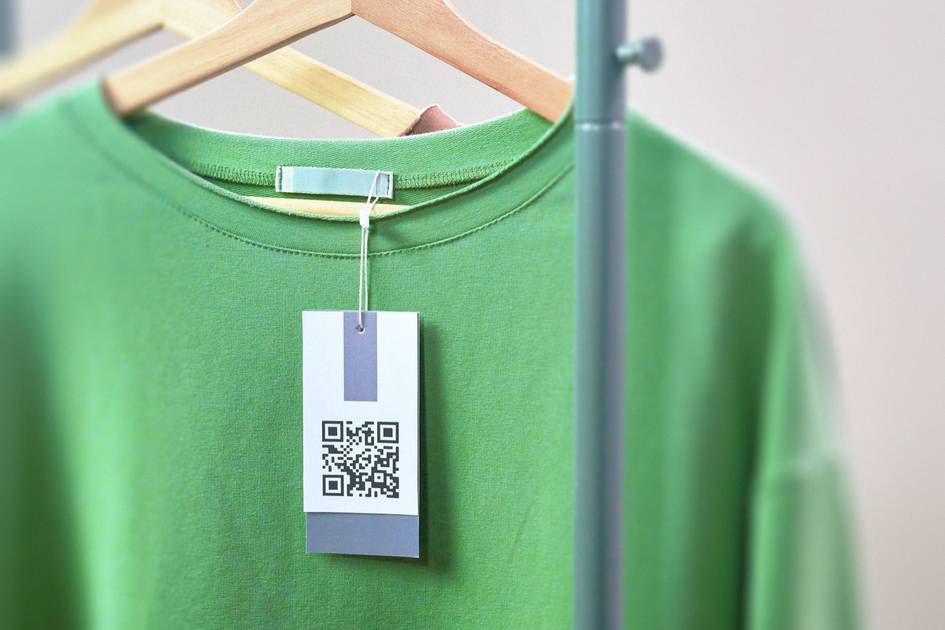
 spindogs
 Written by yellow3.io